The Cat in the Hat trend is a wave of AI-generated and costumed images of the Dr. Seuss character lurking outside homes and schools at night, often posted with a town or school name and a threat. It started as a creepy joke in August 2026 and turned into real arrests within weeks. Police are treating it the same way they treated the AI homeless man prank before it: a fake picture that causes a real emergency is not a prank. Here is what both trends are, why teenagers have been charged, and what to do if one lands in your family group chat.
What Is the Cat in the Hat Trend?
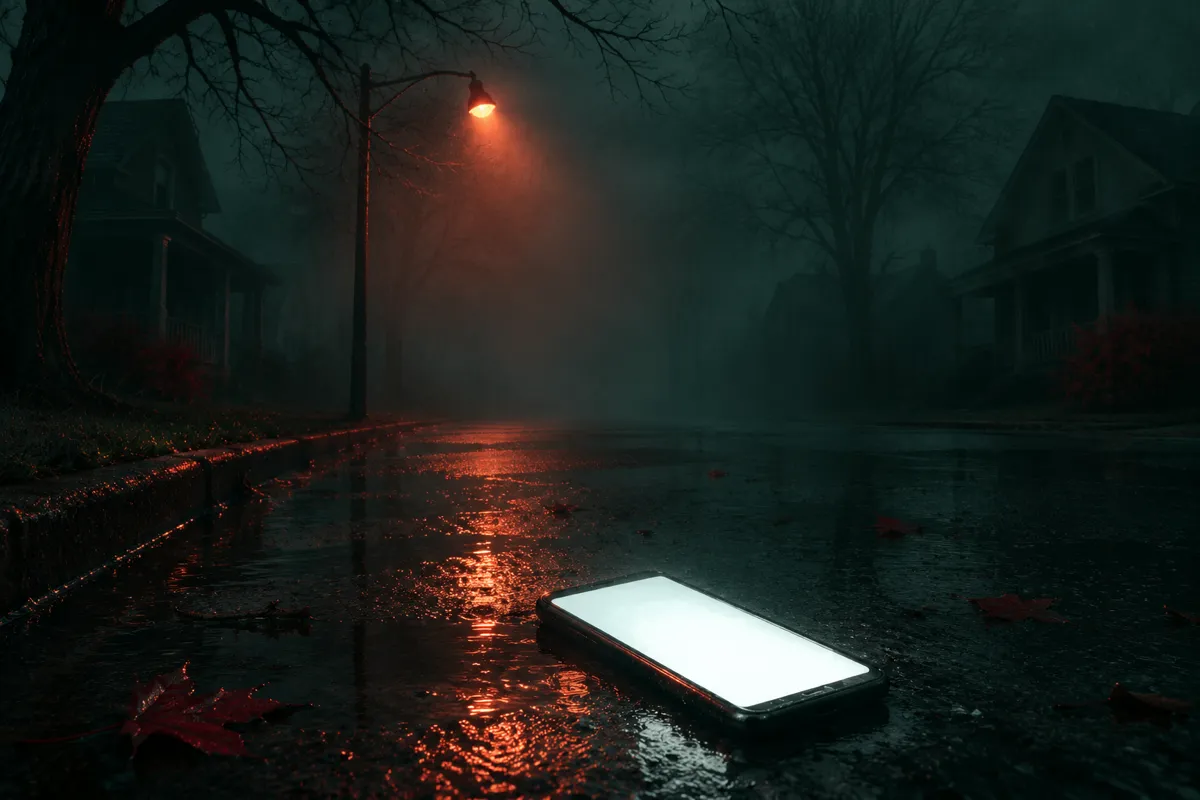
The posts show a life-sized, unsettling version of the Cat in the Hat, usually based on the costume from the 2003 live-action film, standing in a dark street, peering through a window or waiting outside a school. Some clips are AI-generated, some are edited, and some are real people in costumes.
According to the BBC, the trend began in Ireland and the UK in August 2026, with many of the AI images set in the Irish counties of Limerick and Wexford. The BBC traced one big push to an 8 August post about the original film costume going up for auction. Police in Wexford confirmed the sightings were AI-generated, and South Yorkshire Police denied claims that a "killer Cat in the Hat" had been spotted.
By September it had spread to the United States and Canada, The Guardian reported, and copycat accounts began making local versions: the character "outside" a named school, a list of students' first names, or a map of a city with a threat on it.
Why Police Took It Seriously
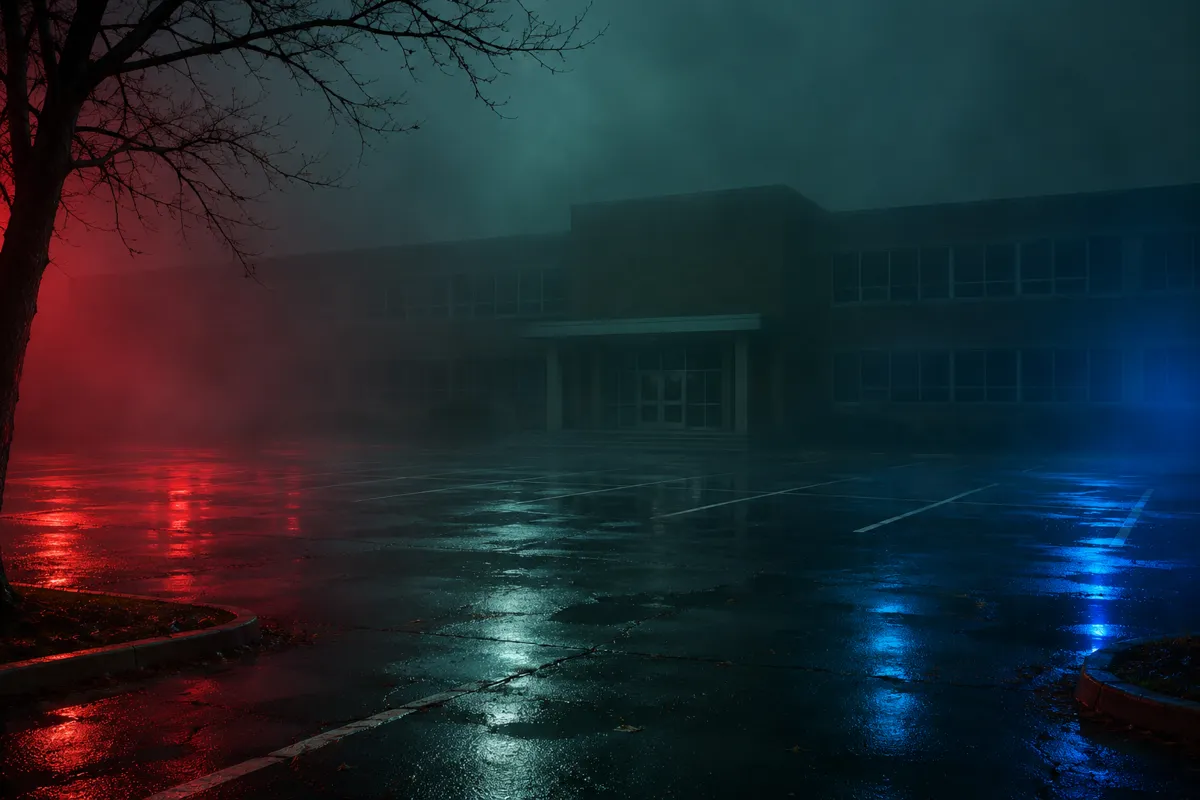
Drawing a spooky Cat in the Hat is not a crime. Tennessee's deputy homeland security commissioner told Spectrum News 1 that posting the video itself is not the problem; pairing it with a threat against a school, a student or a town can be. Once a post names a school, officers have to find out who made it and whether the threat is real, even when it looks fake.
That work has led to arrests across the country:
- Hutchinson, Kansas: a 15-year-old who set up a local Cat in the Hat account was charged with two counts of criminal threat (The Guardian).
- Worth County, Georgia: two high school students were charged and disciplined by their school (The Guardian).
- Grand Junction, Colorado: a 14-year-old was arrested after a post suggested the character would appear at a middle school and several homes (The Guardian, Police1).
- Berwick, Louisiana: four girls aged 13 to 15 were arrested; three were charged with terrorizing and one with cyberbullying (Police1).
- Pasco County, Florida: a 12-year-old was charged with making written threats to kill (Police1).
Schools in several states added officers on campus while posts were checked. Police in Laredo, Texas summed it up in four words: "Viral does not mean harmless."
The AI Homeless Man Prank
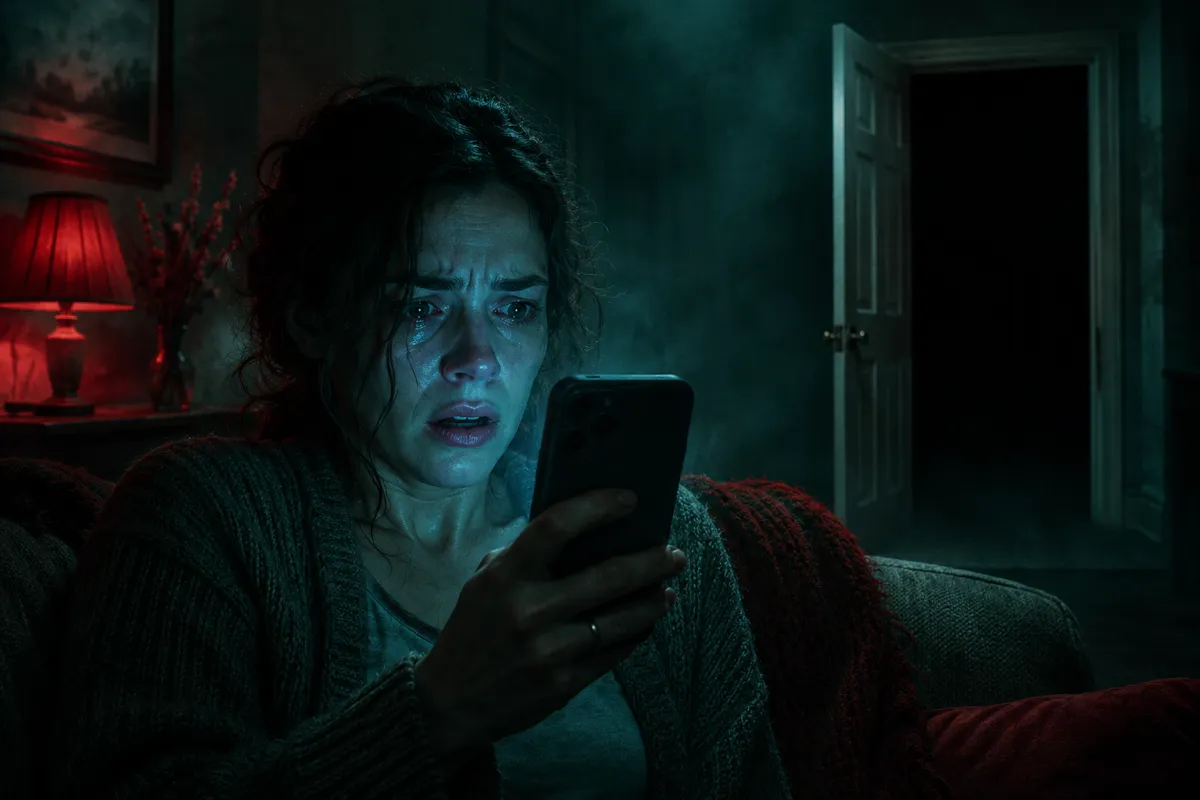
A year earlier, in October 2025, a different AI trend did the same thing inside people's homes. Teenagers used AI apps to add a scruffy stranger to photos of their own house, sitting on the couch, lying in a parent's bed or going through the kitchen, then texted the pictures to a parent or roommate and filmed the panic for TikTok, Instagram and Snapchat.
Some parents called 911. Police departments in Yonkers, New York, West Bloomfield, Michigan and Salem, Massachusetts all issued warnings. Yonkers police said officers were rushing to the calls with lights and sirens, a risk both to them and to the family at home if officers arrived before anyone admitted it was a joke. Salem police investigated three incidents and called the prank "stupid and potentially dangerous," adding that it dehumanizes homeless people. Dorset Police in England and Ireland's national police force, An Garda Síochána, issued the same warning after emergency calls there. A sheriff's office in Brown County said two juveniles were criminally charged.
Why These Are Not Pranks
A prank is a surprise between people who know each other, with a quick reveal and a laugh you share. Our guide to what makes a prank goes into it, but both trends fail the basic test:
- The fear is real. A parent who thinks a stranger is in the house with their child is not in on a joke.
- The reveal comes too late. By the time anyone says "it's AI," a 911 call may already be out and officers may already be going through the door.
- Strangers get pulled in. Police, dispatchers, school staff and a whole town reading a threat never agreed to be part of the bit.
- It is made for the camera. The point is the reaction video, not a laugh with the person being fooled.
It is the same line the viral Apple Pay "prank" crossed: if the other person cannot laugh at it within a minute, it was never a prank.
Can You Get Arrested for an AI Prank?
Yes. Whether it is a Cat in the Hat post or a fake intruder photo, saying "it was a joke" does not stop a charge if the facts fit the law. Depending on the state, teenagers involved in these trends have faced charges such as criminal threat, terroristic threat, harassment, cyberbullying and making a false report of an emergency. Salem police warned that sending a fake emergency to 911 can be a crime in Massachusetts even if nobody is hurt.
AI hoaxes are now a wider police problem. In September 2026, police in Santa Ana, California spent about two days hunting a venomous snake that turned out to be an AI image, and investigators said they would recommend charging the man who reported it with making a false report of an emergency (Los Angeles Times). For how US law treats pranks in general, see our guide to whether prank calling is illegal.
What Parents Can Do
- If a scary photo arrives, check before you panic. Call or text the person who sent it and ask straight out. Yonkers police suggest telling them you are about to call 911, which gives them one last chance to admit it is a prank. If you cannot reach them, or anything feels real, call 911.
- Talk to your kids before they see it. West Bloomfield police asked parents to explain that what looks funny online can have serious legal consequences.
- Do not repost. Police in the UK and US asked people not to share Cat in the Hat posts, even to warn others. Sharing spreads the panic and makes investigations harder.
- Trust official accounts only. South Yorkshire Police found a fake post pretending to be from them. Check updates on the police force's own page.
- Treat invitations to meet seriously. The BBC heard from teenagers invited to "meet" the Cat in the Hat in the woods at night. That is a warning sign, not a joke.
Pranks That Actually Land
If your kids want to fool someone, give them something with a reveal built in. A fake text message screenshot or a fake incoming call gets the gasp and the laugh in seconds, and nobody calls the police. Our list of harmless pranks is full of gags that end with everyone laughing, including the person who got pranked.
The Cat in the Hat is a trademark of Dr. Seuss Enterprises, L.P. Pranksters is not affiliated with or endorsed by Dr. Seuss Enterprises.