The greatest historical pranks all share one trick: they hijacked something people already trusted — a respected news anchor, a full-page newspaper ad, a live radio bulletin — and let credibility do the heavy lifting. That's the same principle behind a well-made fake screenshot generator: the format sells the joke long before anyone reads the fine print. Below are 25 of the most famous real hoaxes and pranks ever pulled — the work of some of the best pranksters of all time — grouped by how they fooled the world, with the year, the culprit, and the reason each one landed.
The Greatest Historical Pranks & Hoaxes, Ranked
Media Hoaxes
-
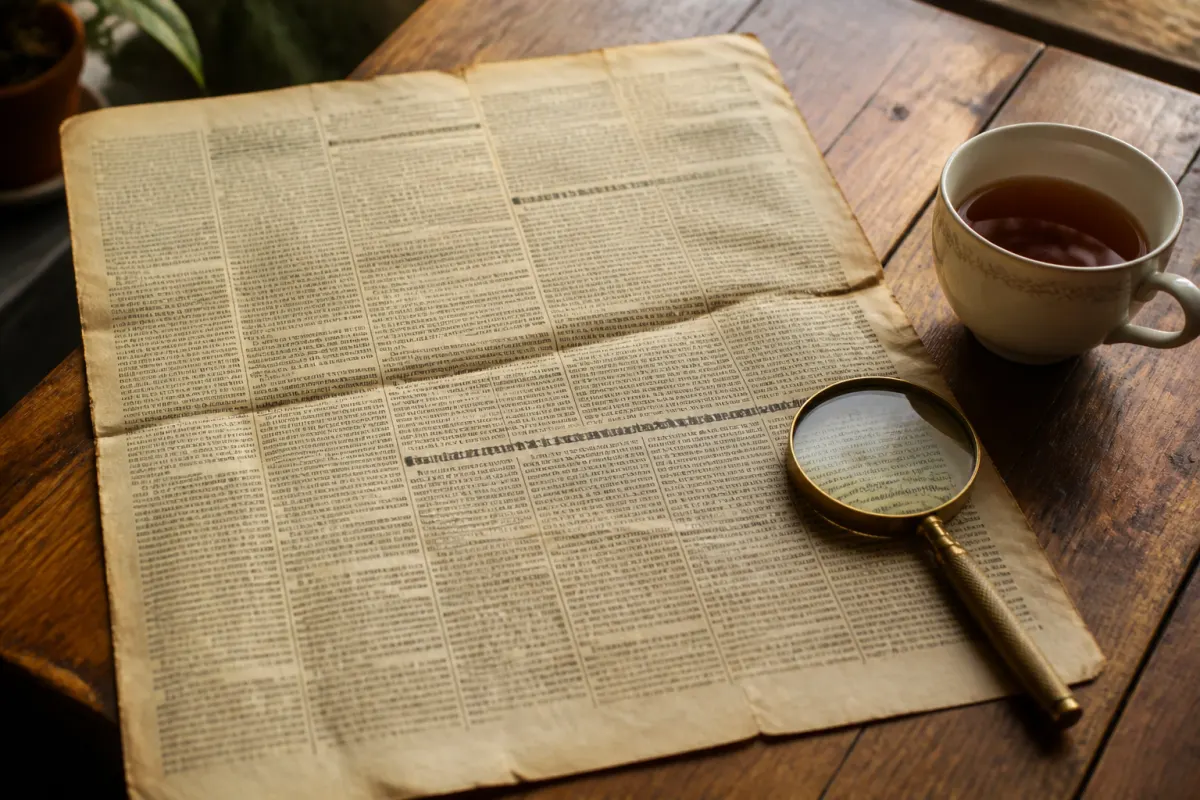
The Spaghetti Tree Hoax (1957). BBC's Panorama aired a straight-faced three-minute segment of a Swiss family "harvesting" spaghetti from trees, narrated by trusted broadcaster Richard Dimbleby. Spaghetti was still exotic in Britain, so viewers actually called in asking how to grow their own — widely hailed as the greatest broadcast April Fools' ever.
-
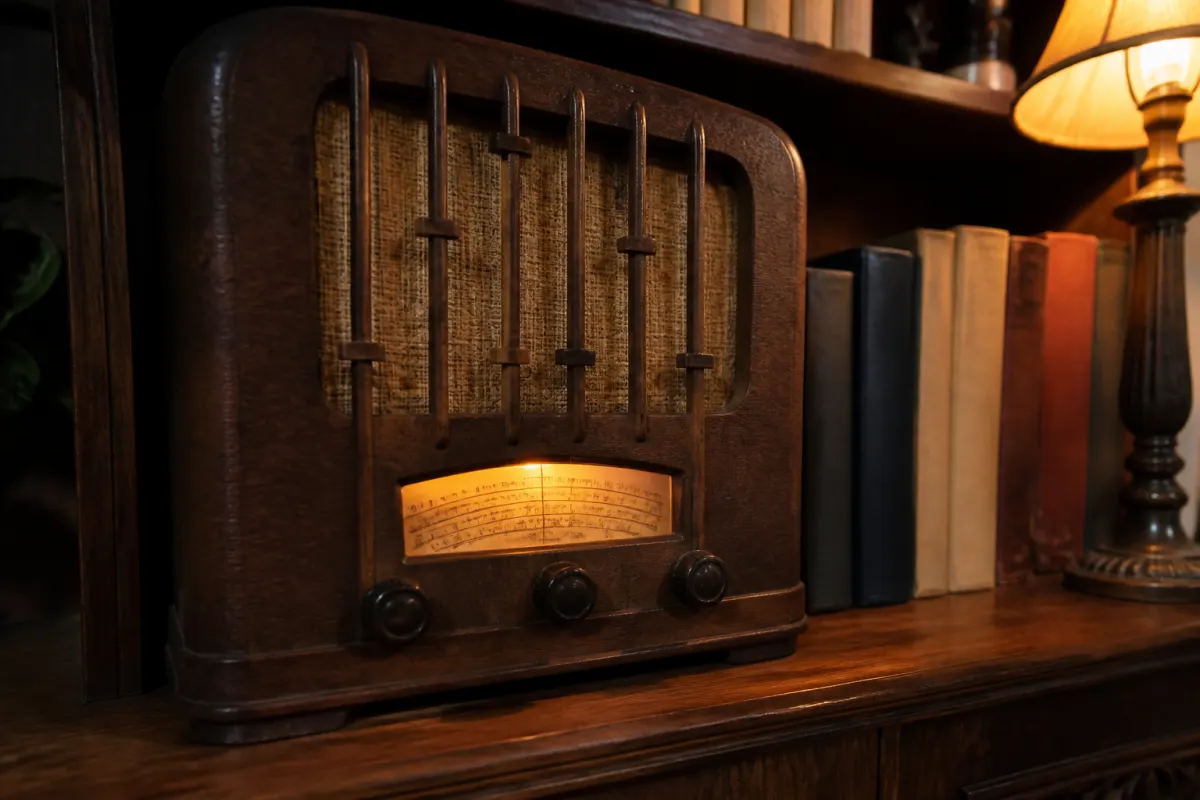
War of the Worlds (1938). Orson Welles' Mercury Theatre radio drama framed H.G. Wells' alien invasion as live news bulletins. Listeners who tuned in late missed the disclaimers, and newspapers ran wild with tales of nationwide panic — most of it later shown to be exaggerated, but the legend stuck.
-
The Great Moon Hoax (1835). The New York Sun ran six articles claiming astronomer Sir John Herschel had spotted bat-winged humanoids, unicorns, and biped beavers living on the Moon. Circulation soared before the paper quietly admitted, weeks later, that the whole thing was invented.
-
San Serriffe (1977). The Guardian published a seven-page travel supplement on a fictional island nation named after printing terms (its capital was Bodoni). Readers phoned in trying to book vacations to a country that existed only in a typographer's imagination.
-
The Sidd Finch Story (1985). Sports Illustrated profiled a mysterious Mets rookie pitcher who could throw a 168 mph fastball, penned by George Plimpton. The article's subhead spelled out an April Fools' acrostic — and fans still fell for it.
-
The Cardiff Giant (1869). A 10-foot "petrified man" dug up on a New York farm drew paying crowds who believed they were seeing a biblical giant. It was a carved gypsum statue — and when P.T. Barnum couldn't buy it, he built his own copy and hoaxed the hoax.
Corporate April Fools' Classics
-
The Taco Liberty Bell (1996). Taco Bell took out full-page ads in six major newspapers announcing it had bought the Liberty Bell to "reduce the national debt." Outraged citizens jammed the National Park Service switchboard before the chain revealed the gag that afternoon.
-
The Left-Handed Whopper (1998). Burger King ran a USA Today ad for a Whopper with all condiments rotated 180 degrees for left-handed customers. Thousands walked in to order one anyway — and others asked for the "right-handed" version.
-
Gmail (2004). Google launched its email service on April 1 with a then-absurd 1 GB of free storage. It was so far beyond rivals that everyone assumed it was the annual joke — except this one was completely real.
-
Google Nose / Gmail Motion (2010s). Google turned April Fools' into an institution with fake products like Gmail Motion (control your inbox with body gestures) and Google Nose (search by smell), each polished enough to make people double-check the calendar.
-
BMW's April Fools' Ads. BMW built a tradition of elaborate spoof ads in British papers — from magnetic tow ropes to "invisible" cars — trusting that a straight-faced brand voice would carry the joke.
Scientific & Photographic Frauds
-
Piltdown Man (1912). Charles Dawson presented doctored ape-and-human bones as the "missing link" in human evolution. It fooled the scientific establishment for about 40 years until 1953, making it perhaps the most consequential hoax ever.
-
The Cottingley Fairies (1917). Two young English cousins photographed themselves with cardboard cutout fairies — and convinced Sherlock Holmes creator Sir Arthur Conan Doyle they were real. The pair didn't fully confess the trick until 1983.
-
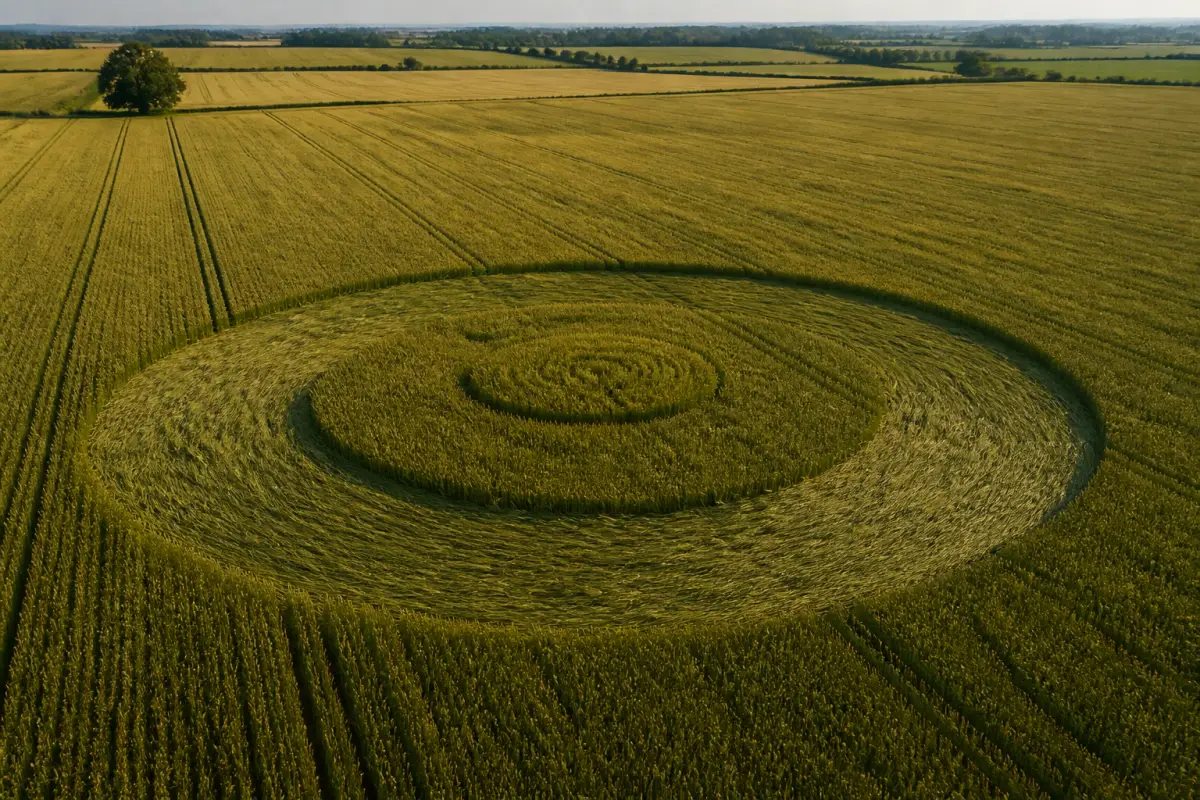
Crop Circles (1978 onward). Englishmen Doug Bower and Dave Chorley admitted they'd started the modern crop-circle craze with planks and rope, sparking decades of UFO speculation and hundreds of copycat formations.
-
The Feejee Mermaid (1842). P.T. Barnum exhibited a "mermaid" that was actually a monkey's torso stitched to a fish tail, drawing crowds who paid to see a grotesque taxidermy fake billed as a marvel of nature.
Internet Hoaxes
-
Bonsai Kittens (2000). A satirical shock site by an MIT student claimed to grow kittens inside glass jars to shape their bones. It was entirely staged — the FBI confirmed no animals were harmed — yet it sparked global outrage and floods of complaints, becoming one of the web's most infamous early pranks. We break down the whole saga on our Bonsai Kittens page.
-
Lonelygirl15 (2006). A "video diary" of a teenage girl captivated YouTube's early audience as raw, real confessionals — until it was exposed as a scripted series with an actress, pioneering the fake-authenticity playbook.
-
The Nigerian Prince / 419 Scam. Not a single event but a decades-long email hoax promising vast fortunes in exchange for a small upfront fee. Its deliberately clumsy wording is a feature, filtering for the most credulous targets.
-
The Blair Witch Project Marketing (1999). The film's campaign presented its actors as genuinely missing and the footage as real, seeding forums and "missing person" flyers until a chunk of the audience believed they were watching an actual documentary.
-
Steve Jobs / Bill Gates Death Hoaxes. Fabricated obituaries and quotes for tech founders have repeatedly gone viral, spreading faster than fact-checkers can catch them — a reminder that a trusted-looking headline travels first.
Long-Con & Publicity Hoaxes
-
The Hitler Diaries (1983). German magazine Stern paid millions for 60 volumes of Hitler's "personal diaries" and published excerpts worldwide — before forensic tests revealed modern paper and ink, torching the magazine's credibility.
-
The Turk (1770). A mechanical "chess-playing automaton" toured Europe beating Napoleon and Benjamin Franklin. It was actually a cabinet concealing a human chess master, and it fooled audiences for decades.
-
The Balloon Boy (2009). A Colorado family claimed their six-year-old had floated away in a homemade helium balloon, triggering a live national news chase. The boy was hiding at home the whole time, and the parents were later convicted of staging the stunt.
-
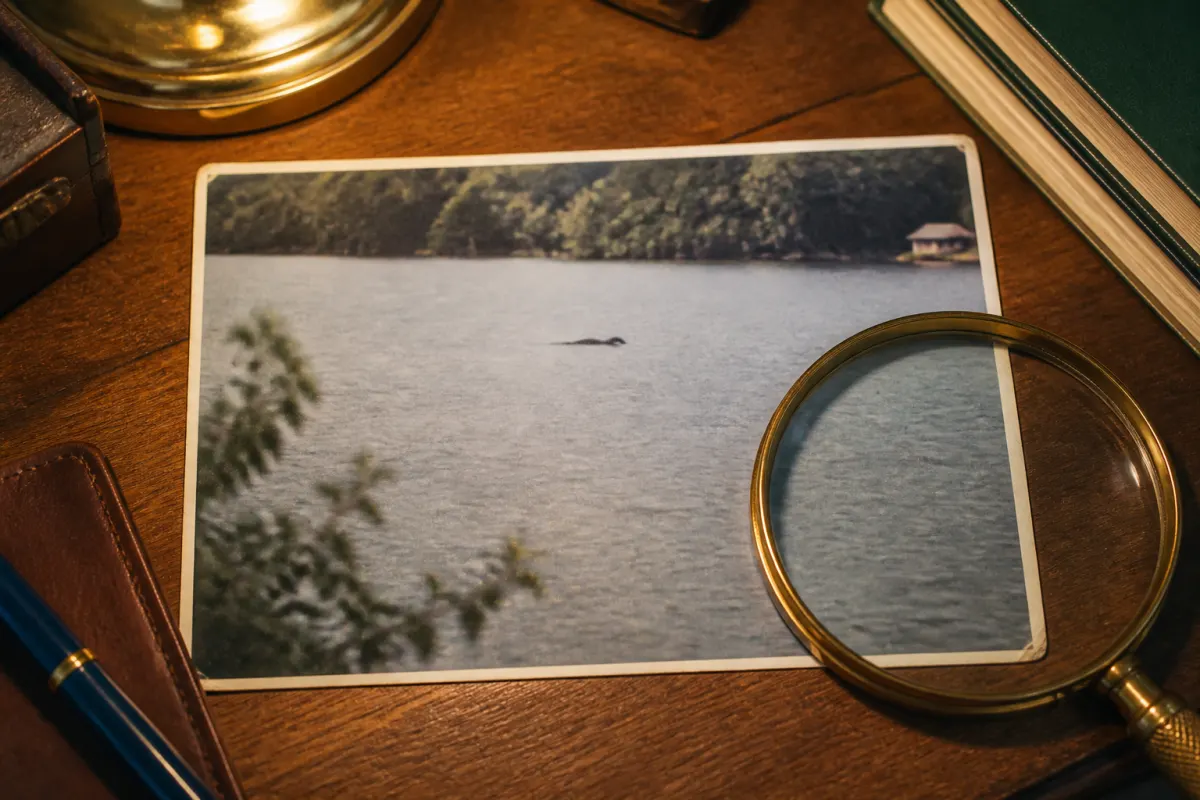
The Loch Ness "Surgeon's Photo" (1934). The most famous image of the Loch Ness Monster was revealed decades later to be a toy submarine fitted with a sculpted head — a small model that fueled a global mystery for 60 years.
-
The Berners Street Hoax (1810). Prankster Theodore Hook bet he could make any London address the most talked-about in the city, then sent thousands of fake orders — deliveries, doctors, even the Lord Mayor — to a single home, causing chaos for a full day. One of history's first great practical jokes.
What Is the Most Famous Prank in History?

Two pranks dominate every list: the BBC's 1957 Spaghetti Tree hoax and Orson Welles' 1938 War of the Worlds broadcast. The spaghetti stunt is routinely crowned the greatest April Fools' prank a broadcaster ever pulled, precisely because it weaponized a trusted current-affairs program and a beloved presenter — viewers had no reason to doubt what Panorama told them. War of the Worlds earned its fame differently, becoming shorthand for media-induced panic even though the scale of that panic was largely a newspaper invention. Both endure because they proved the same thing: format is more persuasive than content. Trust the messenger, and people will swallow almost any message.
What Was the Biggest Hoax of All Time?
If "biggest" means the most complete and long-lasting deception, Piltdown Man wins. From 1912, doctored ape and human bones were accepted as a genuine evolutionary "missing link" by the scientific establishment for roughly four decades, warping the study of human origins until the forgery was finally exposed in 1953. No April Fools' gag comes close to fooling an entire field of experts for 40 years. Other contenders — the Hitler Diaries, the Cottingley Fairies, the Great Moon Hoax — burned brighter and briefer. Piltdown Man is the marathon of hoaxes: quiet, patient, and devastating to everyone who believed it.
Why Did These Historical Pranks Actually Work?
Every hoax on this list borrowed authority it hadn't earned. A newspaper's masthead, a scientist's endorsement, a full-page ad, a network anchor's voice — these are trust signals audiences process faster than they process facts. The prank simply pours a false message into a credible container. That's also why the best modern pranks lean on realistic-looking formats rather than outrageous claims: a believable frame does the convincing. If you want to pull a harmless one on a friend, our screenshot and text generators let you build the format first and let the punchline land on its own — no cardboard fairies required.